
The Hidden Economics of Running a Commercial VR Fleet
Discover the true economics of commercial VR fleets, from utilization and repairs to logistics, downtime, and replacement planning.
Revenue Is Only the Starting Point
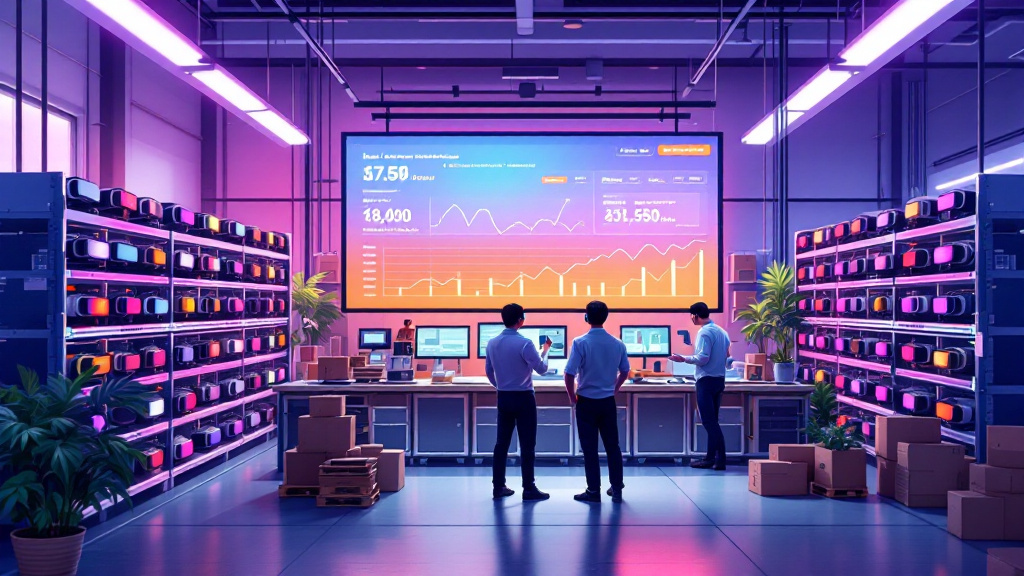
A commercial VR fleet can look profitable when measured only by rental or session revenue. Six headsets rented for a weekend may generate an attractive invoice, but that figure says little about the equipment’s actual contribution margin. The deeper economics include how often each device is booked, how long it sits idle, how quickly it can be redeployed, and whether accessories return with it in usable condition.
For operators, VR fleet management begins with utilization. Track available hours, booked hours, deployed units, and revenue per device rather than relying on total sales alone. A headset used regularly may justify a higher acquisition cost than a cheaper unit that spends most of the year on a shelf. Utilization should also be segmented by customer, event type, location, and device model. This reveals which contracts produce consistent returns and which create excessive handling or support work. A system such as HoloFleet CRM can connect accounts, reservations, serialized devices, checkouts, and follow-up activity, giving teams a more complete view of commercial VR performance.
Downtime, Repairs, and Accessories Shape the Margin
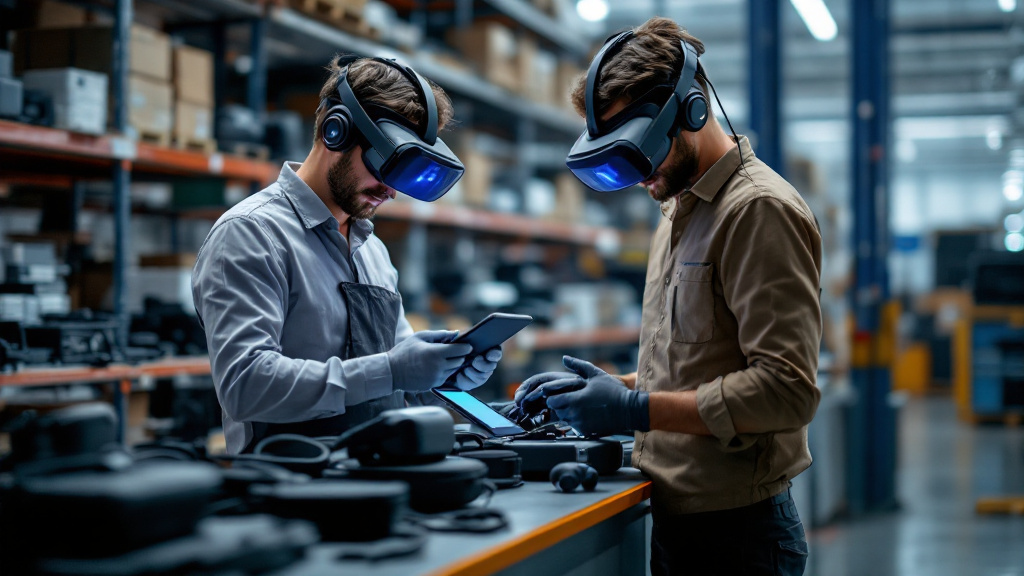
The most expensive headset is often the one that cannot be rented. Downtime may result from a cracked facial interface, missing controller, depleted battery, damaged cable, software issue, or a device awaiting inspection. Even when the repair itself is inexpensive, the lost booking can reduce revenue and disappoint a customer. That makes condition tracking and service history central to equipment utilization, not merely administrative tasks.
Accessories deserve equal attention. Controllers, straps, chargers, adapters, carrying cases, and hygiene supplies can represent a meaningful share of replacement cost, while missing components can prevent an otherwise functional headset from going out. Operators should record what was assigned at checkout, document return condition, and link damage or repair work to the specific device and customer account. With commercial VR operations, this creates accountability without slowing the warehouse team. HoloFleet CRM can help connect serialized assets, warranties, support records, and return reminders, so staff can identify recurring damage patterns and decide whether better packaging, customer training, or revised deposits will protect margins.
Replacement Planning Turns Data Into Profit
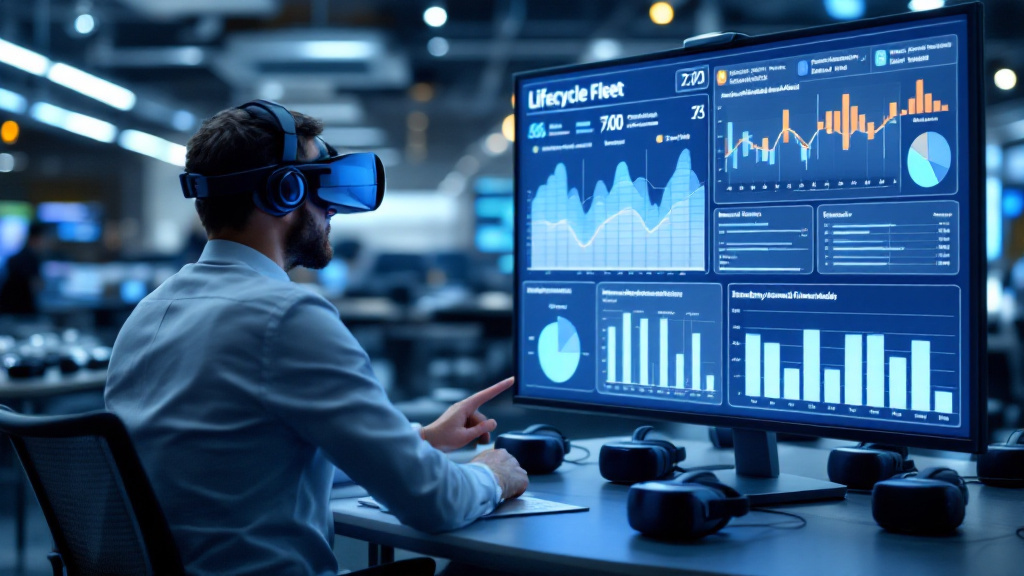
A profitable fleet needs a replacement strategy before devices fail. Headsets age through battery degradation, repeated transport, hygiene cycles, firmware changes, and changing customer expectations. Replacing everything at once may strain cash flow, while keeping aging equipment too long can increase downtime, support tickets, and emergency purchases. The right approach is to monitor each device’s age, usage, repair frequency, warranty status, and revenue contribution.
This is where rental economics become a planning discipline rather than a monthly guess. Compare the cost of continued maintenance with the expected revenue and reliability of a replacement. Forecast demand by season, reserve capacity for large events, and identify devices that should be sold, refurbished, or moved to lower-intensity use. A shared workspace such as HoloFleet CRM can connect sales forecasts with inventory, reservations, deployments, service history, and renewal reminders. The result is a clearer operating picture: which accounts are valuable, which assets are underperforming, and where process changes can improve cash flow. Commercial VR becomes more sustainable when every headset has a measurable lifecycle and an intentional next step.